A $49M Texas Steel Erection Company Sold in a Complex, Multi-Component Transaction
Industry: Pre-Engineered Metal Building Supply & Erection
Location: Texas
Transaction Type: Full Sale — Sell-Side Advisory
Status: Closed
Two co-founders who had spent over two decades building a leading pre-engineered steel erection business in Texas decided it was time to find the right buyer and exit.
What followed was a deal that involved a well-capitalized strategic buyer, a multi-component consideration structure with cash, a seller note, a rollover, aged receivables, and a carry participation interest, all built around a business that was still actively growing at the time of close.
The transaction ultimately closed at a $30,000,000 enterprise value, with a total deal value exceeding $36,000,000 when all components were accounted for.
This case study, shared here because it reflects the kind of work the Captyx network of advisors does every day walks through the business, the situation, what made it attractive, how the deal was structured, and what it took to get it across the finish line.
The Situation
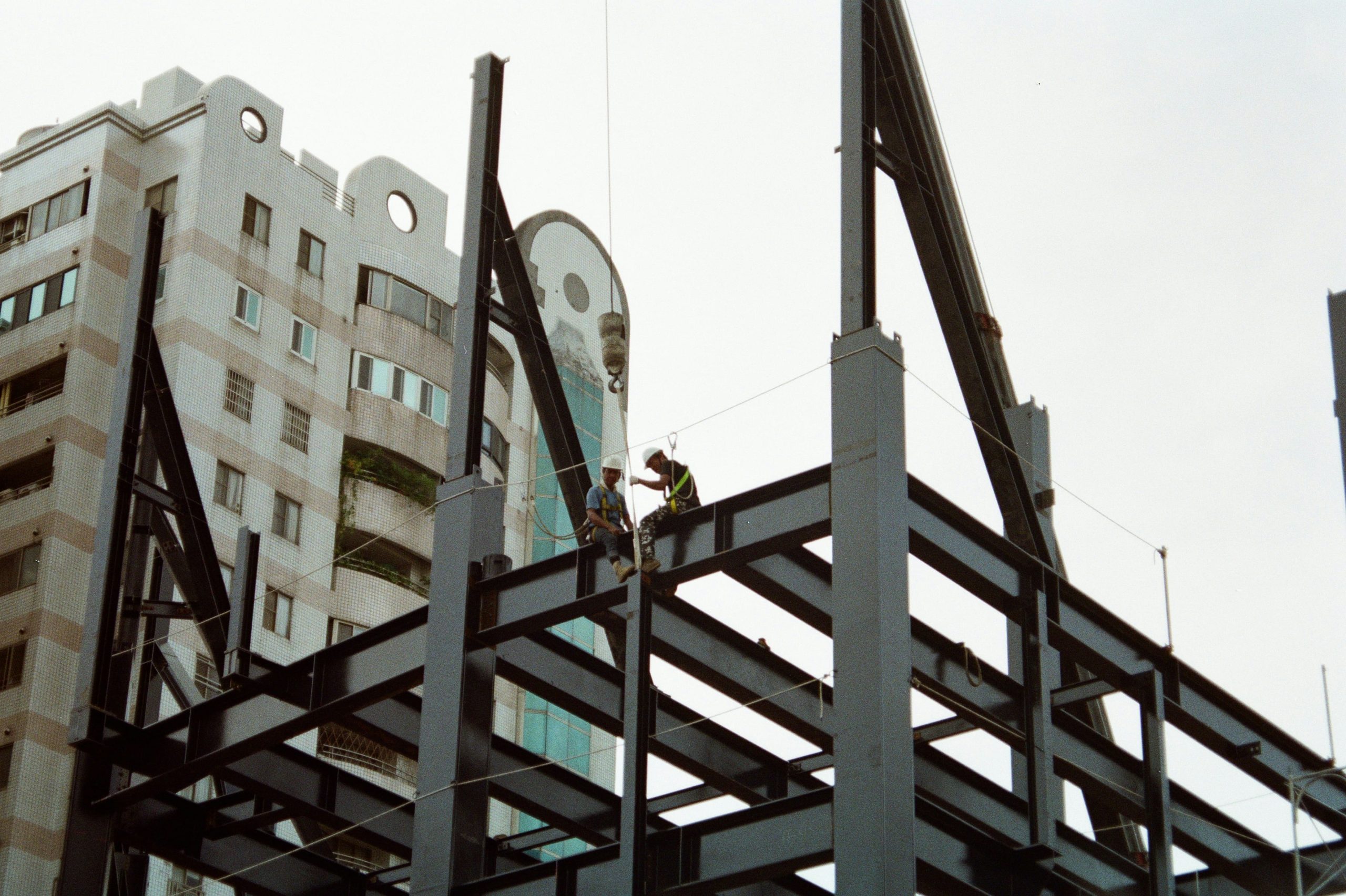
The company was founded in Dallas, TX, and had grown entirely organically over 20-plus years to become a leading regional provider of pre-engineered metal building supply and erection services.
By the time the sale process began, the company had reached $49M in revenue with an Adjusted EBITDA of $5.7M. Revenue the year prior had been $35M, representing 40% year-over-year growth. And the year during which the closing happened was tracking ahead of the year prior, with $39M in revenue and over $6M in net income through the first seven months of the year alone. The company also carried $28M in signed contracts in backlog at the time of sale.
The founders were 50/50 owners who had reached a point where they wanted to transition out and find the right buyer to take the business to its next stage.
The challenge was finding a buyer capable of handling both the scale of the business and the complexity of the transaction, while the company kept running at full speed.
What Made the Business Attractive
This was not a typical small business sale. The steel erection company had a number of characteristics that made it genuinely compelling to serious buyers.
Organic growth without any outbound sales or marketing. The company grew from zero to $49M in revenue purely on reputation, referrals, and repeat business. There was no sales team, no marketing spend to speak of, and no formal business development function. That represents an enormous runway for any acquirer who wants to layer in commercial infrastructure.
Extremely low customer concentration. The company completed over 100 projects per year, every year. No single client represented more than 10% of revenue in any given year, and most clients represented 2–3%.
A deeply experienced and loyal team. With over 100 employees and a combination of full-time W-2 staff and dedicated W-9 crews, the company had remarkable workforce stability. Only one employee had left the company in the prior eight years, and that departure was due to a family relocation, not dissatisfaction. Most employees had been with the company for eight or more years. For a buyer underwriting a construction business, this kind of team continuity is exceptionally rare and genuinely de-risks the acquisition.
Strong safety record and bonding capacity. An EMR rating of 0.72, well below industry average, allowed the company to work with any large general contractor and pursue bonded projects that many competitors simply cannot access. This opened doors to national accounts, including relationships with companies like Bobcat Corporation, Mustang Cat, and Caliber Collision.
Comprehensive service offering. Unlike most competitors who either supply buildings or erect them, this company did both, plus design, detailing, and all site-level details including insulation, doors, and anchor bolts. That full-package capability is rare and commands meaningful pricing power.
The Financials
The underlying financial picture was strong and growing.
| Year | Revenue | Adjusted EBITDA |
|---|---|---|
| 2022 | $34M | $3.7M |
| 2023 | $35.8M | $4.4M |
| 2024 | $49M | $5.7M |
| 2025 (Jan–Jul) | $36M | Net Income $6.2M |
The Deal Structure
The transaction closed at a $30,000,000 enterprise value. But the total consideration structure was more complex, and more valuable than that headline number suggests.
Enterprise Value: $30,000,000
The $30M was divided into three components:
- Cash at closing
- Seller note
- Rollover equity
Additional consideration:
Beyond the base enterprise value, the sellers also received:
- Aged receivables: $3.5M
- Escrow: $865K
- Carry participation: $3.5M
Total deal value at full realization: $36.4M+
About the Buyer
The buyer’s identity was kept confidential as part of the transaction agreement.
What can be said is that the buyer was a well-capitalized strategic acquirer with the operational infrastructure and industry knowledge to continue scaling the business. The multi-component deal structure, including the rollover and carry participation, reflected a buyer committed to aligning incentives with the sellers and who believed meaningfully in the forward trajectory of the business.
The $28M backlog at close gave the buyer immediate visibility into future revenue, and the 2025 YTD performance ahead of the 2024 pace gave both sides confidence that the business had real momentum at the time of transition.
What The Transaction Required
Deals of this complexity don’t close themselves. This transaction required experience across several dimensions simultaneously.
Addback normalization across 4 years of P&L. The 2022–2025 statements contained several years of owner-specific expenses that needed to be properly identified, documented, and justified to a sophisticated buyer and its legal and financial advisors. The Adjusted EBITDA figures presented to buyers reflected a clean, defensible view of owner-discretionary earnings.
Working capital peg negotiation. The company’s balance sheet included significant construction-in-progress, accounts receivable, retainage receivable, and accounts payable, all of which fed into a working capital peg negotiation with real dollars at stake.
Aged receivables carve-out. Rather than bundling older receivables into the enterprise value, the deal was structured so that the aged receivables would flow to the sellers as collected post-close, preserving value without requiring the buyer to underwrite collection risk upfront.
Multi-layer consideration structure. Sellers received cash, a note, equity rollover, and a carry participation. Each layer required its own documentation, risk assessment, and negotiation and the sellers needed to understand the tradeoffs between near-term certainty and long-term upside at each step.
Running a hot business through diligence. Perhaps most importantly, this company was not slowing down. Revenue in the first seven months of 2025 was $36M, already 73% of full-year 2024, while a full sale process was underway. Keeping operations on track while simultaneously supporting detailed buyer diligence is a real operational challenge. The team managed it.
The Outcome
The business sold at a $30,000,000 enterprise value, with total consideration of over $36,000,000 when all components were included.
For two founders who had built the company from scratch over two decades, entirely without outside capital, paid advertising, or formal sales infrastructure, this outcome reflected the true value of what they created.
The transaction gave them liquidity, a continued financial stake in the business’s future through the rollover and carry, and a clean exit from day-to-day operations, all at a point when the company’s trajectory was clearly still ascending.
Why This Deal Worked
The deal worked because the business was genuinely excellent, and because the sale process was structured to communicate that excellence clearly to the right buyer.
Buyers in the construction space are sophisticated. They will find the weaknesses in a business whether they’re disclosed or not. The best approach is always to get ahead of the issues, normalize the financials accurately, and let the quality of the business speak for itself.
This company had real strengths that were easy to defend under scrutiny: organic growth, team retention, safety record, market position, customer diversification, and accelerating momentum. When those strengths were properly documented and presented, it attracted a buyer willing to pay a full price and structure a deal that reflected the company’s future value — not just its trailing earnings.
The Lesson for Business Owners
A business growing at this pace, with this team stability, in these markets, was always going to attract serious buyers.
But serious buyers ask serious questions.
Are the financials clean?
Are the addbacks defensible?
Is the team dependent on the founders?
What happens to the backlog after close?
How does working capital behave across the business cycle?
What are the real risks and how are they mitigated?
Preparation — thorough, honest, buyer-ready preparation — is what separates a deal that closes at full value from one that stalls in diligence, gets retraded, or falls apart entirely.
This transaction closed. It closed at a strong valuation. And the founders walked away with the outcome they had spent twenty years building toward.
That is what good advisory work looks like, and it is the standard the Captyx team brings to every engagement.
Why Work With Captyx
Captyx helps business owners prepare, position, value, and sell their companies with clarity and confidence.
The Captyx team — and the experienced advisors who work within the Captyx network — have seen deals of every size and structure, from straightforward cash transactions to complex multi-component deals like this one.
They know how to normalize owner-addbacks in a way that holds up under scrutiny.
They know how to structure working capital pegs that protect seller value.
They know how to position a business story so buyers understand the opportunity.
They know how to manage complex multi-component deal structures.
They know how to close.
If you are a business owner thinking about a sale — whether that’s next year or five years from now — the right time to start a conversation is before you need to.
Schedule a meeting with the Captyx team.
About Captyx
Captyx is a cross-industry mergers and acquisitions advisory firm serving business owners, entrepreneurs, family offices, financial buyers, search funds, investors, and strategic acquirers across the United States.
The Captyx team has built, bought, scaled, valued, prepared, and sold businesses across a wide range of industries. Captyx works with business owners to maximize value before and during a sale through valuation, go-to-market preparation, buyer strategy, negotiation support, and transaction advisory.
Learn more at captyx.com or on the Captyx About Us page.